Five Nights at Winston's
New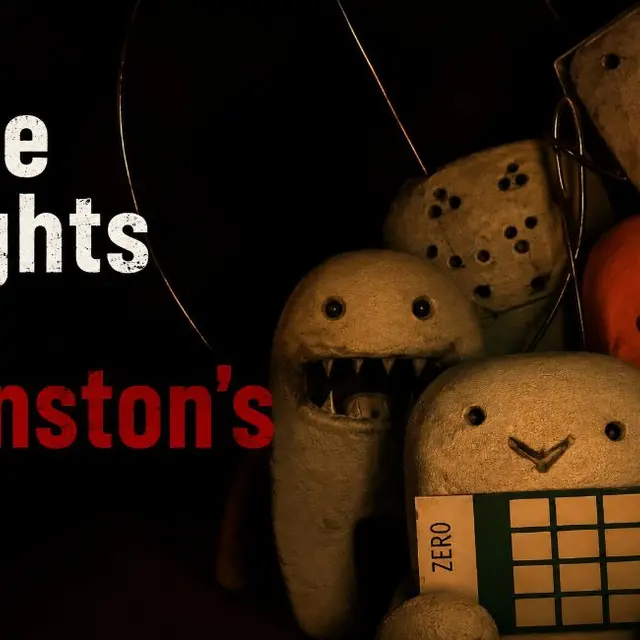
- Genre Action games
- Players 1
- Session 8 min
- Price Free
- Updated
A straightforward take on the night-shift horror formula, executed without any attempt to reinvent it. There is an office, a bank of cameras, doors you can close and a power supply that everything draws from, and the five nights tighten the margin rather than introducing new systems — which is the version of this genre that most reliably works. What it gets right is the information economy. Checking a camera tells you something and costs power, so the whole night is a series of small purchases, and the players who survive are the ones who learned which checks are worth making rather than the ones who watch everything. Threats behave consistently, so the learning carries between attempts, and because the nights are short the failure loop is quick. It is not original and it is not trying to be; it is a clean implementation of a formula that deserves one.
| Mouse | Move to the screen edges for doors and monitor |
|---|---|
| Click | Switch camera, toggle a door or light |
| Monitor | Raise and lower the camera feed |
How to play Five Nights at Winston's
- Watch the power percentage more closely than the cameras.
- Use the lights before the doors; a light is cheap and tells you whether the expensive option is needed.
- Keep the monitor down when nothing has changed — watching an empty corridor is the main waste.
- Learn which threat comes from which side; two of them are predictable enough to plan for.
- Close a door only while something is there, then open it immediately.
Tips
- A night survived at low power counts the same as one survived comfortably, so spend rather than hoard.
- Sound tells you more cheaply than the cameras do.
- The later nights are less forgiving of wasted checks rather than faster.
Questions about Five Nights at Winston's
Is it an original formula?
No, it is a clean implementation of a very familiar one.
What ends a night?
Running out of power, or leaving a way in open.
How many nights are there?
Five, with tightening margins.
Is there combat?
No, every tool buys time.
Does it work on a phone?
Yes.
Does it need installing?
No, it runs in the browser.
Do threats behave consistently?
Yes, which is what makes learning possible.